
Why Traditional Security Isn’t Enough Anymore
Four shifts redefining how high‑risk people and organizations must protect themselves.
For years, security for high-profile people meant a familiar checklist: a driver, a visible detail, maybe a home camera system, and a basic alarm. That model was built for a world where threats were mostly physical and mostly local. Today, that world no longer exists.
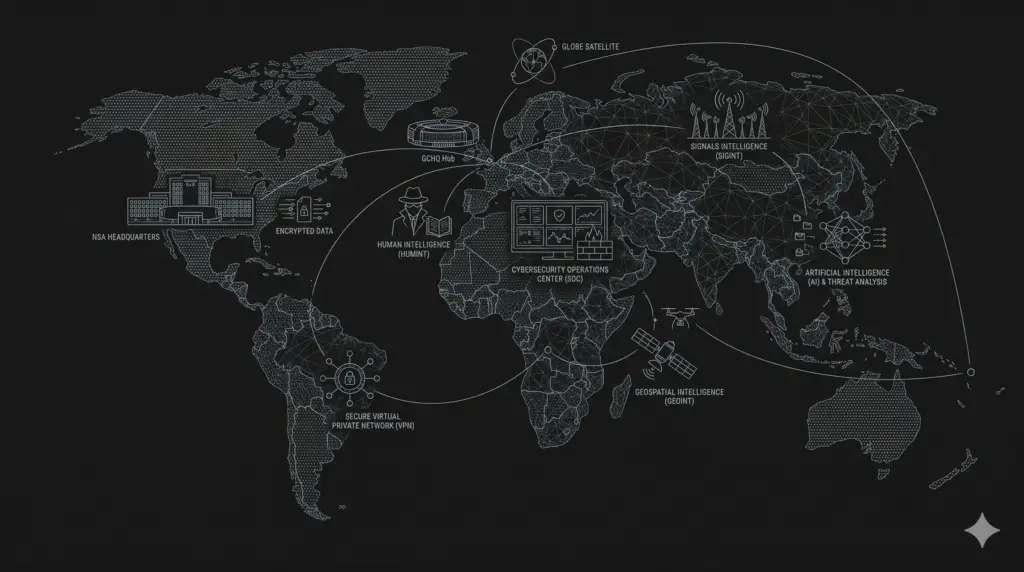
If you are responsible for a principal, a family, or a sensitive organization, understanding how security has changed is the first step toward protecting them.
Threats are now hybrid
Physical and digital threats feed each other. An online leak leads to a protest at a residence. A careless photo exposes a travel pattern. A breach at a vendor reveals sensitive locations or routines. Security that looks only at “real‑world” risk without considering data, devices, and platforms is already behind.
Identity is an attack surface
Executives and public figures carry their organizations’ reputations on their backs. Their personal data—addresses, family details, financial information—can be used to coerce, target them with scams, or damage their reputation. Protecting the person now means protecting their identity, not just their body.
Connectivity can’t be assumed
Crises rarely happen when networks are stable and clean. Outages, improvised Wi‑Fi, and untrusted devices open windows for compromise right when coordination is most critical. Building resilient, privacy‑respecting communications into a security plan is no longer optional; it is foundational.
Security must feel livable
If protection feels heavy‑handed or theatrical, principals will work around it—and create their own vulnerabilities. The most effective security today is integrated into everyday life: routes planned quietly in advance, privacy maintained without cutting people off, and tools that “just work” without heroic effort.
Modern security is not about adding more guards or gadgets. It is about seeing the full picture—intelligence, physical risk, privacy, and technology—and designing a program that treats them as one connected problem.
If you are reassessing how you protect yourself, your principals, or your organization, a short conversation can surface the gaps that matter most and the first steps to closing them.